

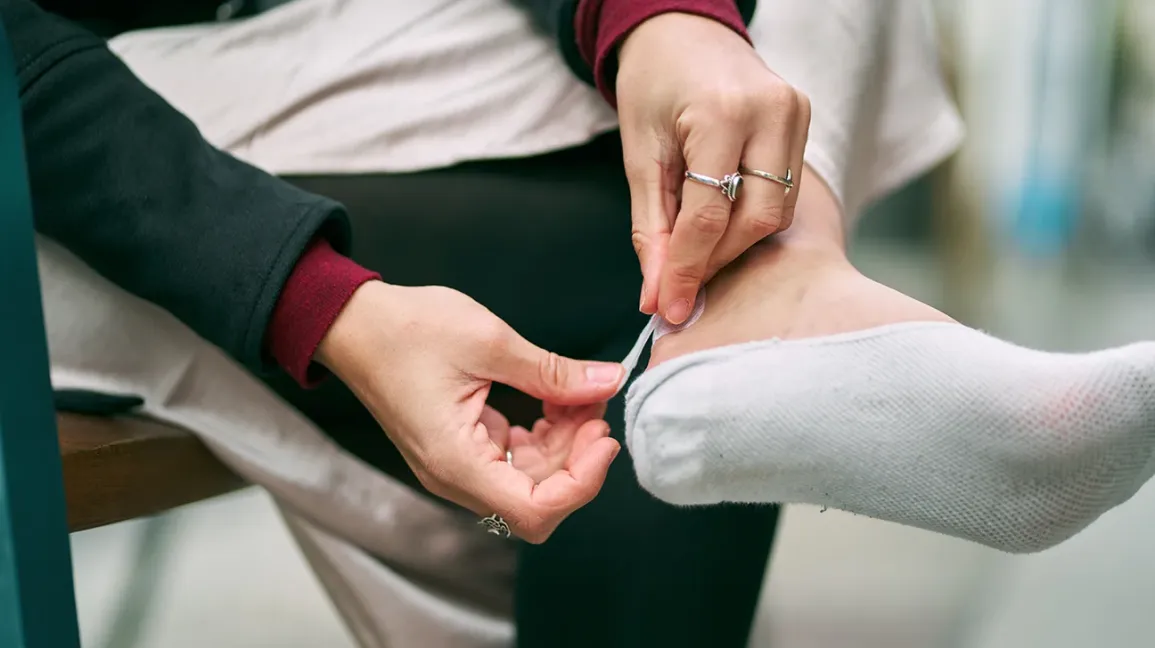
Blisters, though relatively harmless, can be irritating and painful. They are fluid-filled pockets that form on the skin, usually as a result of friction, heat, or pressure. Whether it’s from wearing new shoes or working in the garden, blisters aren’t something anyone wants to deal with. Here are four simple yet effective ways to treat a blister and help your skin heal.
Just remember, education is the doorway to happiness. To receive a good education, you will need good teachers. Also, you will need to be up on the latest tech.
Allow it to Heal Naturally
One of the easiest and safest ways to treat a blister is by simply letting it heal on its own. Leaving the skin intact lets it serve as a protective barrier against bacteria and infections. Avoid popping or draining the blister unless it becomes too painful or inflamed. If you need to protect it from further friction, cover it with a breathable bandage or dressing.
Keep the Area Clean and Dry
To avoid infection, maintain good hygiene surrounding your blister. Clean the area around the blister gently with mild soap and water and pat dry thoroughly before applying any bandage or dressings. Avoid submerging the affected area in water for extended periods; use a waterproof bandage if necessary when showering.
Apply an Over-The-Counter (OTC) Ointment or Cream
Applying an antibiotic ointment like Neosporin or Bacitracin can help prevent infections and promote faster healing. After cleansing the area around the blister, apply a thin layer of ointment on and around it before covering with a light dressing. Make sure not to do this if you have an allergic reaction to any ingredient in the ointment.
Elevate and Rest the Affected Area
Reducing pressure on your blister will help alleviate pain and discomfort while promoting healing of the skin’s tissue. If possible, prop up the affected area on pillows to minimize swelling, support circulation and help fluids drain away from the blister site.
In conclusion, taking proper care of a blister involves simple yet important steps like allowing it to heal naturally, maintaining proper hygiene, using appropriate OTC ointments and creams, and resting the affected area. If you suspect your blister has become infected or it is not healing after a week or so, consult with your healthcare provider to ensure proper treatment.
